

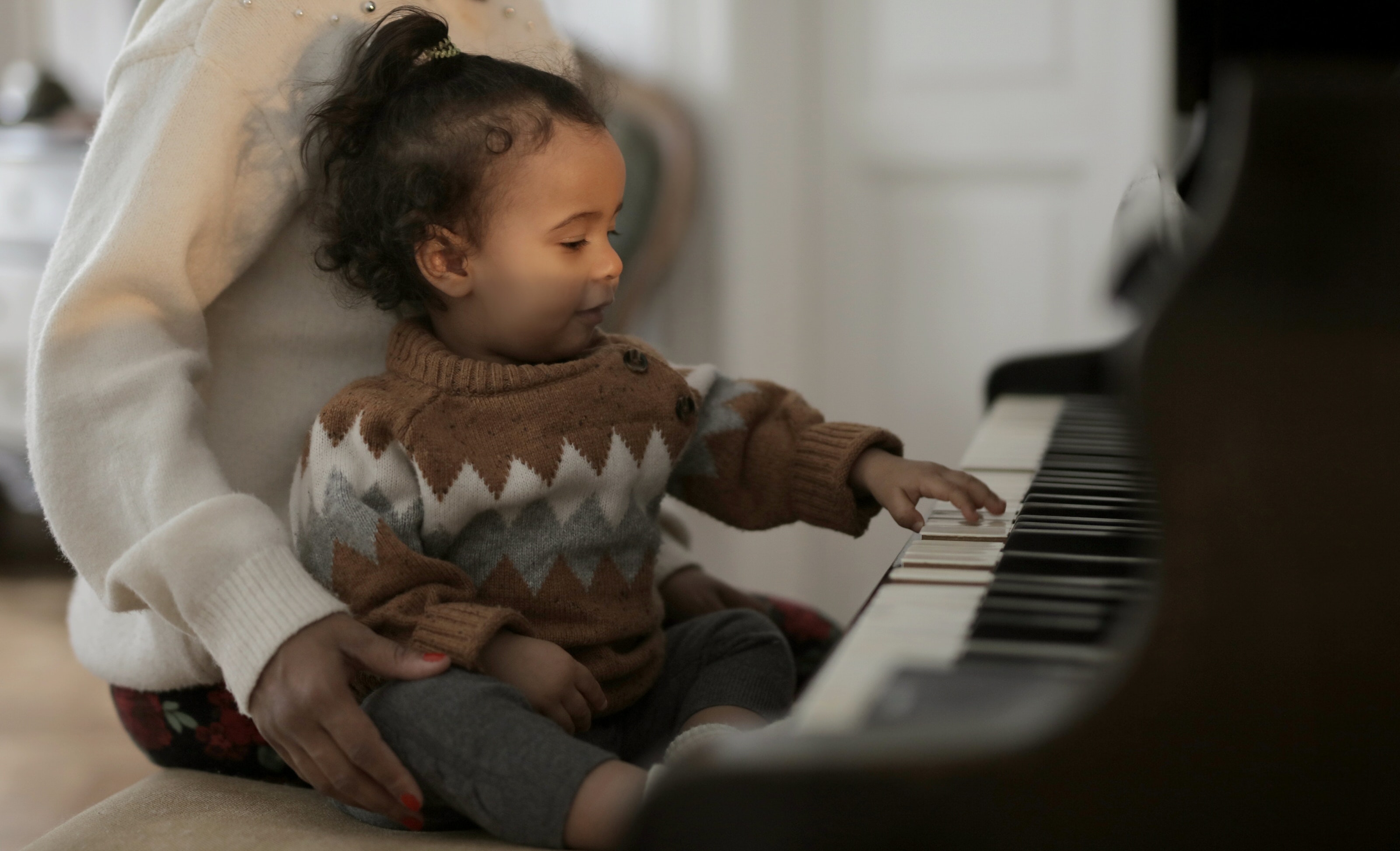
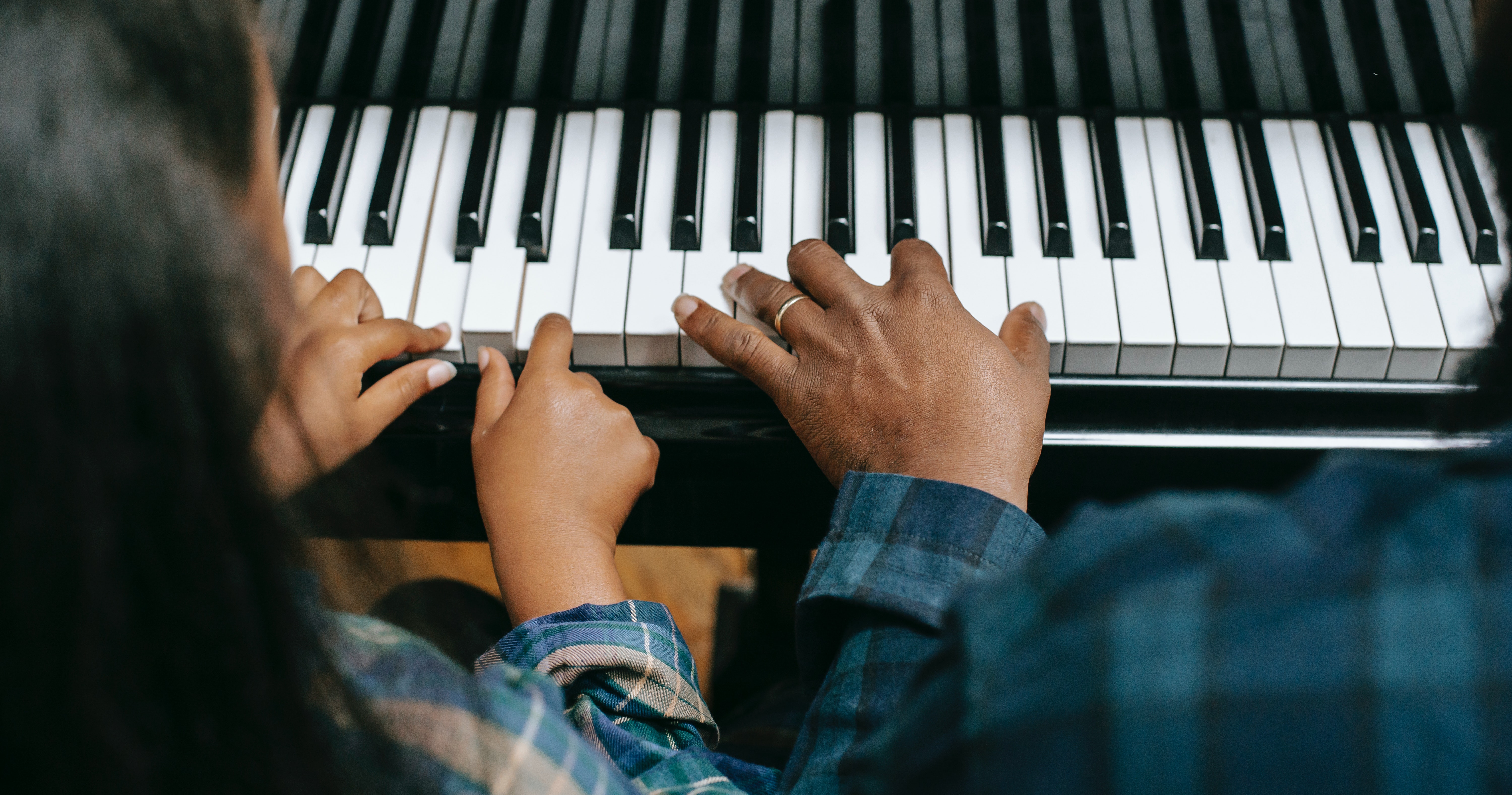
What is the difference?! A subtle rephrasing makes a huge difference to the attitude and outcomes as well as input. People who say, ‘I have taken up piano lessons,’ have a different approach and perhaps even opinion of their own potential successes than someone who says, ‘I have started learning to play the piano.’ A difference occurs yet again between ‘I learn piano,’ and ‘I play piano.’
Is the desired outcome to attend a series of lessons/weeks to tick off an apparent box that there is an activity completed for that day? Or is the dream to actually enjoy the instrument at any hour of the day in one’s own home as well as receiving lessons, actively pursuing to improve each time they make time for the instrument?
I think personally, there is a huge difference in confidence between someone who declares without hesitation, ‘I play piano,’ compared to a shy, nervous mention ‘I am learning the piano… a little.’ What do you think? What we think and say internally when playing music can affect the language we use to communicate our approach. If it is negative, progress may wane quickly or even stop altogether. If we think positively, approach each play session positively, could we perhaps play for longer, more regularly and without giving up? I do not promise any Mozart transformation, but the words we speak over ourselves and others do have a real impact!
For example, adults (including parents) influence children’s attitudes. Massively! Whether always realised or not- children watch, hear and may often copy the attitudes of adults including their approach and attitude towards music. For example, adult payee of music lessons, tired (understandably) at the end of a week, lets out a noticeable sigh in front of the child learning, saying “right, time for you to go and sit at that piano! You have a lesson tomorrow and haven’t touched it all week!”
If the same person chose a different set of words; “I would love to hear what you are [currently] playing on the piano. If I sit with you, would you play me your favourite tune or something that you are getting better at?” An audience is therefore given for the child to feel really supported and listened to and whether adult knows it or not, the notion of a performance is very often appreciated by the child learning their instrument. Whether the student plays perfectly or not is not the goal. The fact that they are improving by practising regularly and applying what they have been taught to get better is the importance.
Another observation for those taking after school activities… Music lessons for an instrument are not the same as sports lessons. Why? Usually a solo instrument requires independent discipline, perseverance and endurance. Playing a team sport such as hockey or football there may be less apparent pressure to ‘do well,’ when everyone is equally responsible and words such as ‘play, match, event,’ can contrast ‘performance, concert, exam!’ Any words you would now choose to rephrase, knowing this?
I promise to be watchful in my own approaches and I hope you too can see how our language and attitude shapes that of younger students as well as of course ourselves!

